Embrace the Season: Designing with Autumn Fern Patterns
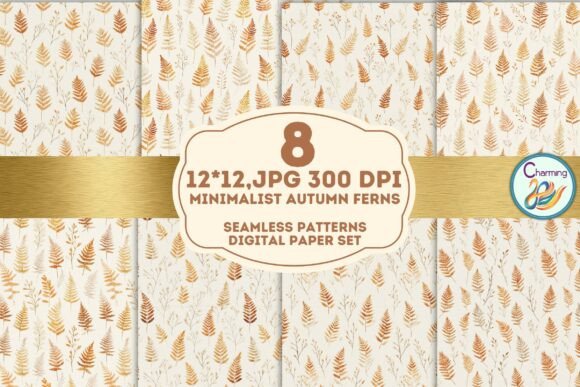
There's a particular quality to the early days of autumn, when the air gets a crisp edge and the light turns golden. The world starts to quiet down, and the colors shift from vibrant summer greens to rich, earthy tones of rust, mustard, and deep forest. Capturing that specific mood—the feeling of cozy minimalism and organic elegance—is a common goal for designers and creators. While a complex illustration might work for some projects, sometimes the most powerful statement comes from a simple, repeating pattern that evokes the season without overwhelming the viewer. This is where a resource like Seamless Paper: Minimalist Autumn Ferns can become a cornerstone of your seasonal design toolkit.
The Quiet Power of a Minimalist Autumn Palette
What makes a set of digital papers centered on ferns so effective for autumn projects? It’s all about balance. The fern motif itself is inherently natural and delicate, but a minimalist approach strips away unnecessary detail, leaving clean, graceful silhouettes. This creates a pattern that feels modern and sophisticated, not folksy or cliché. The included JPG patterns are designed at a high resolution—3600×3600 pixels, or 12x12 inches at 300 DPI in CMYK—meaning they are built for real-world print and digital applications. This technical foundation is crucial. You can confidently use these patterns for a small sticker or scale them up for a large wall poster without losing clarity, ensuring your professional presentation remains sharp.
The color palette typically associated with such a theme moves beyond simple orange and brown. Think of muted olive greens, soft terracotta, warm taupe, and creamy off-whites. These are colors that pair beautifully with a wide range of brand identities, from artisanal food products to boutique wedding invitations. They communicate warmth, nature, and a sense of grounded calm, making them incredibly versatile for improving visual consistency across multiple platforms.
From Screen to Stitch: Practical Applications for Every Creator
The true value of a design asset lies in its adaptability. This is especially true for a pattern set designed with commercial use in mind. Let's break down how you might integrate these autumn fern patterns into your workflow, whether you're a solo entrepreneur or part of a marketing team.
For the Small Business Owner & Brand Strategist: Packaging is your first handshake with the customer. Imagine a small-batch candle maker using these patterns as a background for their product labels or as the inner lining of a shipping box. The subtle fern design adds a layer of premium, seasonal appeal that elevates the unboxing experience. Similarly, a café or restaurant can use these patterns for their fall menu design, table tent cards, or even as a seasonal backdrop for their social media posts, creating an inviting and cohesive brand identity that says, "We're celebrating the season."
For the Content Creator & Blogger: Visual consistency is key to audience recognition. These seamless patterns can serve as a reliable, on-brand background for your Instagram stories, Pinterest pins, or blog post graphics. Instead of searching for a new stock photo every week, you have a library of cohesive designs that instantly signal "autumn" to your followers. They're perfect for creating quote graphics, announcing a sale, or styling a flat-lay photo with a digital paper element. The high resolution ensures your graphics look crisp and professional on any device.
For the Designer & Creative Entrepreneur: The applications are nearly limitless. A graphic designer can use these patterns as a foundational element for a client's fall marketing campaign, integrating them into posters, flyers, and digital ads. A wedding stationer can create stunning, nature-inspired invitation suites, using the pattern as an envelope liner, a belly band, or a subtle background on the RSVP card. For those selling digital products, like printable planners or scrapbooking kits, these papers are an essential component of your product offering. The CMYK color mode is a professional detail that ensures colors will print as expected, a critical consideration for any print-on-demand business or freelance designer working with commercial printers.
Building a Cohesive Visual Language
Using a pattern set like Seamless Paper: Minimalist Autumn Ferns is about more than just decoration; it's about building a visual language that communicates your brand's personality. The minimalist style ensures the pattern supports your message rather than competing with it. Here’s how to think about integrating it effectively:
- Font Pairing is Crucial: The elegance of the fern pattern calls for typography that complements it. A clean sans-serif font like Montserrat or Lato can create a modern, airy feel. For a more traditional or romantic touch, pair it with a subtle serif font like Playfair Display. Avoid overly ornate or grunge-style fonts that would clash with the pattern's refined aesthetic.
- Use as an Accent, Not Always the Star: Sometimes, the most impactful use of a pattern is as a subtle background. Use it to fill the negative space in a logo design, as a website header backdrop, or as the paper texture in an editorial layout. This adds depth and interest without causing visual clutter.
- Consistency Builds Recognition: Choose two or three patterns from the set that best match your brand's color story and use them consistently across all your touchpoints—social media, website, print materials, and packaging. This repetition helps build strong brand recognition and makes your visuals feel intentional and professional.
When selecting a creative font or design asset, always consider the licensing. A resource intended for commercial use provides the freedom to apply your designs to merchandise, client work, and products for sale without legal ambiguity. This peace of mind is invaluable for running a creative business.
Ultimately, the goal is to create designs that resonate. The gentle curves and warm tones of a minimalist autumn fern pattern can evoke a feeling of nostalgia, comfort, and natural beauty. By thoughtfully integrating this kind of design asset into your projects, you're not just making something look pretty—you're crafting an experience for your audience, one that feels cohesive, professional, and perfectly attuned to the rhythm of the season.