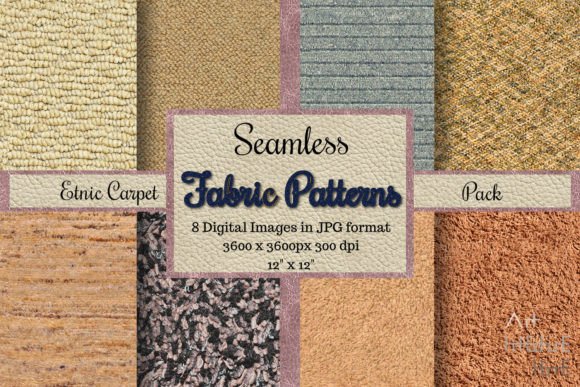
Etnic Carpet Patterns: Your Go-To Digital Paper Pack
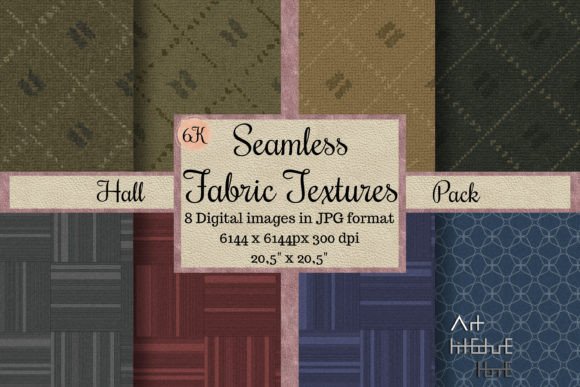
There's a certain warmth and story woven into ethnic carpets—the intricate motifs, the earthy tones, the sense of heritage. Translating that feeling into a digital project can be challenging, but the right asset makes all the difference. Imagine having a library of patterns that capture that artisanal spirit, ready to drop into your next design. That's precisely what this collection of seamless fabric textures offers, providing a versatile foundation for projects that need depth, culture, and tactile appeal.
Beyond Flat Color: The Power of a Good Texture
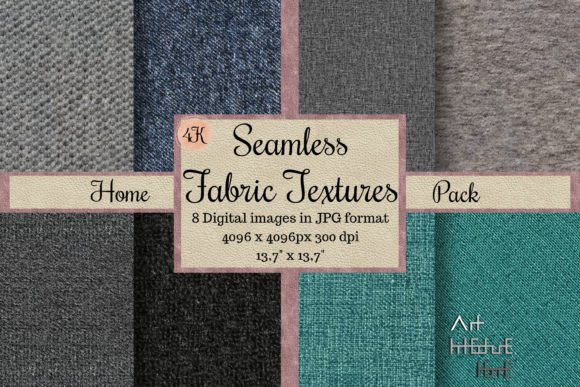
When a design feels flat or generic, it often lacks a layer of visual interest. A subtle fabric texture can instantly add dimension and realism. These particular patterns are inspired by traditional ethnic carpets, featuring geometric repeats, tribal motifs, and rich, woven details. Because they are seamless, they tile perfectly without any visible edges or interruptions. This means you can scale them to cover a social media banner, a website background, or a full-sized poster without worrying about awkward seams. The high-resolution 300 dpi quality ensures that even when printed large, the details remain crisp and professional.
The practical applications are extensive. For a small business owner creating product packaging, these textures can form the background of a label, instantly giving it a handmade, premium feel. A blogger can use them to style flat-lay photographs or create unique featured images that stand out in a crowded feed. The included patterns work beautifully for print-on-demand merchandise, from tote bags to phone cases, adding a distinct cultural flair to everyday items.
Integrating Cultural Aesthetics into Modern Branding
Branding is about telling a consistent story. If your brand identity draws from global influences, artisanal craftsmanship, or earthy, natural themes, incorporating a pattern like an ethnic carpet texture can reinforce that narrative. It’s not about appropriating culture, but about appreciating and translating a visual language. A designer might use a muted version of the texture as a subtle watermark on a letterhead or as the core element of a logo mark. For a wedding stationer, these patterns could inspire invitation suites with a bohemian or rustic-elegant aesthetic, setting the tone for the entire event.
When selecting a pattern from the pack, consider the mood of your project. A bold, high-contrast geometric might suit a dynamic brand, while a softer, more muted pattern could work for wellness or lifestyle content. The key is to ensure the texture complements your primary typography and color palette rather than competing with it. A good practice is to reduce the opacity or overlay it with a solid color to achieve the right balance.
From Screen to Print: Ensuring Seamless Execution
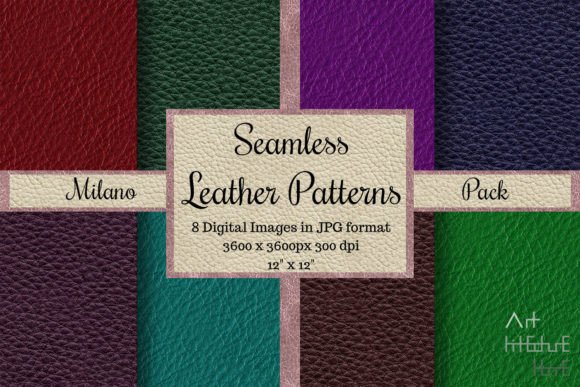
The true test of a digital asset is its versatility across different media. This is where the technical specifications of this pack truly shine. Each image is sized at 12x12 inches (3600x3600 pixels) at 300 dpi, which is the standard for high-quality print production. This makes the files immediately ready for professional printing, whether you're creating business cards, fabric swatches for a fashion line, or large-format wall art.
For digital creators, the seamless format is a game-changer. It allows for infinite repetition in web design, app interfaces, or digital planners. Content creators can use them as engaging backgrounds for quote graphics or promotional posts, ensuring their visual branding remains cohesive across all platforms. The fact that they are provided in a straightforward digital paper format means they are easy to edit—adjust hue, saturation, or contrast to match your exact brand colors in just a few clicks.
Practical Advice for Using Patterned Textures
Using patterned textures effectively requires a bit of strategy. Here are some actionable tips:
- Layer for Subtlety: Instead of using the texture at full intensity, try placing it behind a semi-transparent white or colored layer. This softens the pattern, making it a supporting player rather than the main character.
- Pair with Simple Typography: Ornate patterns pair best with clean, sans-serif fonts or elegant serifs. Avoid using overly decorative scripts on top of a busy texture, as it can harm readability.
- Use for Focal Points: Apply the texture to a specific element, like a header bar, a sidebar, or a product mockup background, to draw the eye without overwhelming the entire design.
- Test at Scale: Always preview your design at the intended final size. What looks good as a small thumbnail might become distracting when printed on a full page. Zoom in and out to check the balance.
- Consider the Context: A carpet texture might feel out of place on a tech startup's website but perfect for an interior design portfolio, a travel blog, or a handmade goods marketplace. Let the texture tell a story that aligns with your content.
This collection isn't just about having a decorative element; it's about adding a layer of authenticity and depth to your work. Whether you're a designer looking for a quick way to add character to a layout, a crafter seeking unique materials for your next project, or a business owner aiming to create memorable marketing materials, these patterns provide a solid, professional-grade starting point. The value lies in their quality and flexibility, allowing you to focus on creativity rather than technical constraints. By thoughtfully incorporating these textures, you can elevate the visual impact of your projects and connect with your audience on a more sensory level.