Natty’s Farmhouse Digital Papers: Rustic Charm for Every Project
There's a particular warmth that comes from a well-chosen texture—the kind that makes a digital design feel tangible and inviting. For creators seeking that authentic farmhouse aesthetic, the search for the right background can be surprisingly challenging. Too often, digital papers feel generic or overly processed, lacking the subtle imperfections and earthy palette that define true rustic charm. That's where a thoughtfully curated collection like Natty’s Farmhouse Digital Papers makes its mark, offering a toolkit designed to bridge the gap between digital convenience and handcrafted appeal.
Understanding the Visual Language
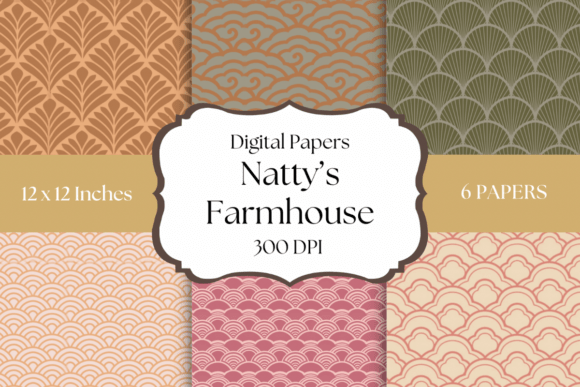
This collection isn't just a random assortment of patterns; it's a cohesive visual story. The six seamless designs are built on a foundation of warm earth tones, soft blush pinks, sage greens, and cozy neutrals—colors that immediately evoke feelings of comfort and simplicity. The patterns themselves are intentionally simple and timeless, avoiding trendy geometrics in favor of classic repeats that won't feel dated next season. This makes them incredibly versatile. They function as a quiet, supportive backdrop rather than a competing element, allowing your main design—whether it's typography, photography, or artwork—to take center stage.
The technical specifications are equally important for professional use. At 12x12 inches (3600x3600 pixels) and a high-resolution 300 DPI in JPG format, these papers are print-ready and scalable for a wide range of applications. You're not getting a low-res preview file; you're receiving a production-ready asset. This attention to detail is crucial for designers and small business owners who need assets that perform reliably across different media, from a planner sticker to a large-format poster.
From Concept to Concrete Application
The true value of any design asset lies in its practical application. How does a set of farmhouse papers integrate into a real workflow? The possibilities are broader than one might initially assume. For entrepreneurs and small business owners, these textures are a secret weapon for building a cohesive brand identity. Imagine a local bakery or a handmade soap company using a sage green paper as the background for their website header, then carrying that same texture onto their packaging sleeves and business cards. This repetition builds instant recognition and communicates a brand personality that is authentic, welcoming, and rooted in a certain aesthetic.
Content creators and bloggers can leverage these backgrounds to create a consistent visual feed. A seamless paper can become the foundation for Instagram story templates, quote graphics, or Pinterest pins, ensuring every piece of content feels intentionally crafted and part of a larger whole. For those designing digital products—like printable planners, journal pages, or wedding invitation suites—the seamless nature of the papers means you can scale and tile them without worrying about awkward seams or breaks in the pattern. This is a massive time-saver and ensures a professional finish.
Consider the impact on specific projects:
- Branding & Marketing: Use as a background for product mockups, email newsletter headers, or social media ads to add texture and depth.
- Print Materials: Elevate the look of menus for a farm-to-table restaurant, programs for a rustic wedding, or tags for artisanal goods.
- Digital Products: Create printable wall art with inspirational quotes, design custom planner dashboards, or develop a series of coordinated greeting cards.
- Editorial Design: Add warmth to the layout of a digital magazine, e-book, or blog post featuring lifestyle or home décor content.
Integrating Texture with Typography
Pairing these textured backgrounds with the right typeface is where design magic happens. The goal is harmony, not competition. A rustic paper calls for a typeface that complements its character without getting lost. For headlines or logos, a strong serif font with a bit of traditional weight or a clean, modern sans-serif can create a beautiful contrast against the soft texture. For body text or longer passages, readability is paramount. A highly legible sans-serif font or a simple, unadorned serif will ensure your message is clear, even when set against a patterned background.
Avoid overly ornate or thin script fonts for important text, as they can become difficult to read against a busy texture. Instead, reserve more decorative typefaces for short accents, like a monogram or a single word. The key is to test your font pairings directly on the digital paper you intend to use. Does the text remain clear at a small size? Does the overall composition feel balanced? This practical testing phase is non-negotiable for achieving a professional result that engages your audience rather than frustrating them.
Practical Considerations for Seamless Workflow
Before diving into a project, a few practical steps will streamline your process. First, always review the licensing terms. While digital downloads are typically for personal and small commercial use, it's essential to understand any limitations, especially if you plan to sell the final product (like printed invitations or a digital template) in large quantities. Most reputable sources, including where you'd find Natty’s Farmhouse Digital Papers, provide clear licensing information.
Next, organize your files. With six papers, it's easy to lose track. Create a dedicated folder in your assets library, perhaps labeling them by their dominant color or pattern type for quick reference. Finally, think about layering. These papers don't have to be the sole background. Try placing a semi-transparent white or cream layer over them to soften the pattern, or use them in isolated sections of a design—like a sidebar or a footer—to add interest without overwhelming the entire layout.
Ultimately, the right design asset does more than fill space; it communicates a feeling. Natty’s Farmhouse Digital Papers provide a versatile foundation for projects that aim to feel grounded, authentic, and thoughtfully crafted. By understanding their visual strengths, applying them strategically across various media, and pairing them with complementary typography, you can transform a simple design into something that resonates with warmth and character. It’s about bringing that tactile, countryside sensibility into the digital realm, one seamless pattern at a time.