Unlocking Urban Authenticity with Seamless Gray Concrete Textures
There is a certain honesty to raw concrete. It doesn’t pretend to be anything else. It carries the marks of its creation—the subtle shifts in tone, the occasional air pocket, the fine aggregate visible upon close inspection. In a world saturated with glossy, over-polished visuals, this honest, industrial aesthetic has become a powerful design language. It speaks of strength, modernity, and an unapologetic minimalism. For designers, creators, and entrepreneurs, capturing this authentic feel is no longer about sourcing a single, static image. It's about having a versatile, high-quality asset that can adapt to any scale and context, which is precisely what a collection of seamless gray concrete textures offers.
The Anatomy of a Truly Useful Texture Pack
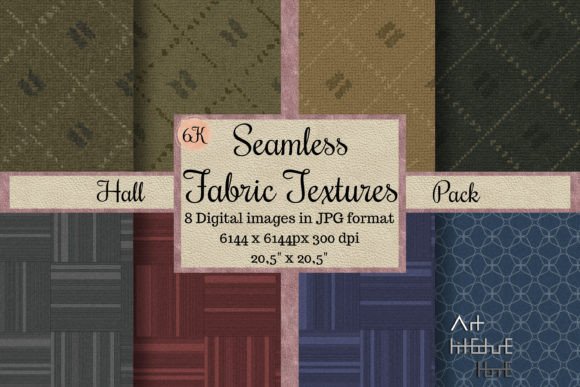
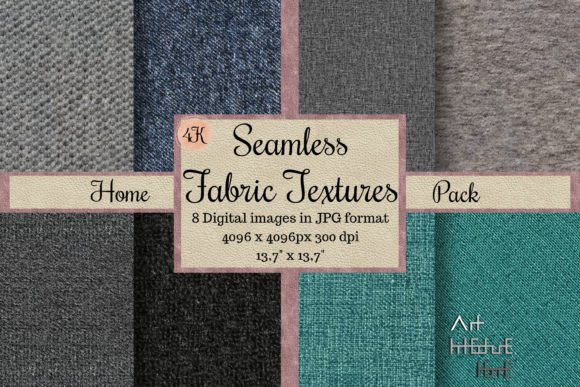
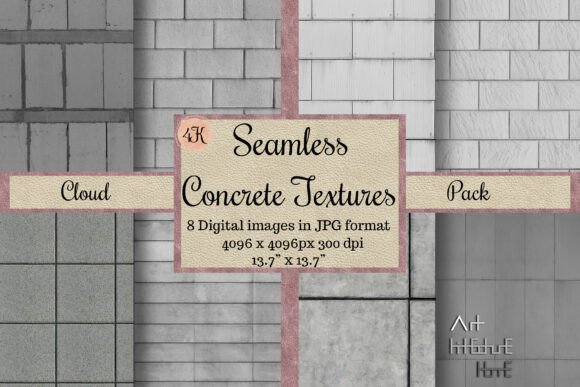
Not all texture assets are created equal. A low-resolution image that falls apart when scaled up or a pattern with a glaring, repetitive seam can ruin an otherwise professional project. This is where the technical specifications of a premium design asset become critical. A pack featuring seamless concrete textures in 4K resolution, with each image measuring 4096 x 4096 pixels at 300 dpi, is built for real-world application. The "seamless" format means the edges of the tile connect perfectly, allowing you to cover a website background, a product mockup, or a large-format print without any visible joins or awkward repetitions. The high resolution ensures that even when you zoom in for a close-up shot or print a poster, the texture remains crisp and detailed, never pixelated or blurry. This level of quality is what separates amateur projects from professional-grade work.
From Digital Canvas to Physical Product: A World of Application
The true value of a versatile texture pack lies in its boundless utility. Think beyond the obvious. Yes, these textures are perfect for creating moody, atmospheric web design backgrounds or adding depth to social media graphics. But their potential extends far further.
For the brand identity designer, a subtle concrete texture can ground a logo, giving a tech startup or an artisanal coffee roaster an edge of industrial credibility. It becomes a key part of the brand's visual toolkit, used consistently across business cards, letterheads, and packaging to build recognition. Imagine a minimalist skincare brand with packaging that uses a soft, gray concrete texture as a backdrop for elegant serif typography—the contrast is immediate and memorable.
For the content creator or blogger, these textures are a secret weapon. They can transform a simple quote graphic into a shareable piece of content, add a tactile feel to an e-book cover, or serve as a consistent, professional background for YouTube thumbnails. The editorial design possibilities are endless; think of magazine layouts, annual reports, or lookbooks where concrete textures provide a neutral yet strong foundation for photography and text.
And for the hands-on maker and small business owner, the applications are beautifully tangible. The high-resolution files are perfectly suited for printable designs on everything from wedding invitations and greeting cards to custom vinyl decals and sticker sheets. Crafters using cutting machines can create intricate designs with a realistic concrete look. The texture can be printed onto fabric for unique apparel or tote bags, or used in decoupage projects to give furniture or home décor items an instant modern update. In 3D rendering and architectural visualization, a seamless concrete texture is fundamental for creating believable walls, floors, and structural elements that bring digital models to life.
Matching Texture to Tone: Strategic Design Choices
Choosing the right texture is about more than just aesthetics; it's about communication. The specific shade and character of the gray concrete you select will set the entire tone for your project. A smooth, uniform gray with very fine grain can feel sleek, modern, and corporate. A texture with more pronounced pitting, color variation, and roughness feels more authentic, raw, and perhaps even gritty—ideal for urban streetwear brands, music festival posters, or architectural firms wanting to showcase raw materials.
When integrating these textures, consider your font pairing. A strong, geometric sans-serif font often pairs beautifully with concrete, reinforcing a clean, contemporary feel. Conversely, a classic serif font can create a compelling contrast, where the elegance of the letterforms meets the ruggedness of the background, a technique often used in high-end editorial or branding to convey refined strength. Always test your typeface against the texture to ensure readability remains paramount. Using the texture as a full-bleed background may require placing a semi-transparent overlay or a solid color block behind your text to maintain clarity.
Before finalizing your design, take a moment to review the variety within the pack. Does it offer enough range? A good collection should provide subtle variations—from lighter, weathered concrete to darker, denser surfaces—allowing you to maintain a cohesive look while introducing visual interest across different applications. This variety is what enables you to build a comprehensive and flexible visual identity system.
Practical Implementation and Final Considerations
Once you have your texture files, the work is straightforward but methodical. For digital use in software like Photoshop or Illustrator, you can easily define the texture as a pattern and apply it with a single click, scaling it to your needs. For physical prints, always conduct a small test print to check color accuracy and how the texture translates to your chosen paper or material.
A final, crucial point for any commercial project is licensing. Ensure the asset you purchase comes with a clear commercial license that covers your intended use, whether for client work, merchandise for sale, or marketing materials. Reputable asset providers make this information transparent, giving you the peace of mind to create and sell without legal ambiguity.
In essence, a high-quality pack of seamless gray concrete textures is more than just a collection of images. It is a versatile design asset, a problem-solver, and a catalyst for creativity. It provides the foundation—literally—to build projects that feel grounded, authentic, and professionally executed, whether they exist on a screen, on paper, or on the side of a building.